
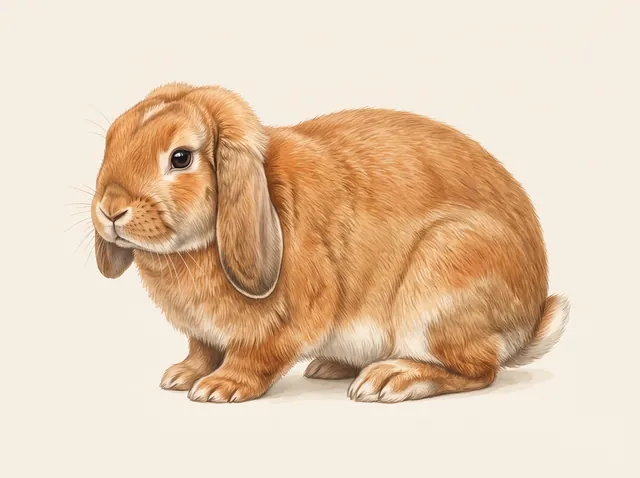
Teeth that grow for life
Unlike ours, rabbit teeth grow all the time. Long, repeated chewing of grass and hay, which are very high in fibre, is what wears them down.
A rabbit who mostly eats pellets chews for far less time: according to the MSD Veterinary Manual, they can develop overgrown teeth. The back teeth can form sharp points or edges that your vet has to file down, and dental problems can lead to abscesses.
Malocclusion: when the teeth no longer meet
Malocclusion means the upper and lower teeth no longer meet properly: they stop wearing down and get longer. According to the MSD Veterinary Manual, it is one of the most common inherited problems in rabbits; a diet low in hay is the other major cause. If your rabbit has inherited malocclusion, they will need regular checks for life.
Signs to watch for
Rabbits hide pain: according to the PDSA, a dental problem often goes unnoticed until it is serious. Look out for:
- front teeth that are too long, crooked or broken;
- a rabbit eating less;
- weight loss;
- drooling, a wet chin;
- tooth grinding;
- runny eyes, a runny nose, a lump on the jaw;
- a dirty bottom or droppings that are smaller and fewer.
Hay, the first dental care
- Unlimited hay, and at the very least a bundle as big as your rabbit every day, according to the PDSA.
- Hay and grass should make up most of the diet, around 85% according to the RWAF.
- Few pellets, weighed out; no muesli-style mixes, where rabbits pick out the sugary bits.
- Good-quality hay, fine, soft and dust-free, that your rabbit wants to eat.
The checks to plan
- Every weekAt home, gently lift their lips and check that the front teeth are straight and a normal length, and that the gums are healthy.
- About every 6 monthsA check of the back teeth by your vet, with a suitable instrument, as the Scottish Government’s pet rabbit welfare guidance recommends.
- At least once a yearA full health check at the vet, teeth included.
If the teeth are too long, your vet will shorten them or file down the points, usually under anaesthetic. Never do it yourself: clipping a tooth risks splitting it down to the root.
When to ask for advice
Spot weight loss early
Weight loss is often one of the first signs of a dental problem in rabbits. Log every weigh-in in MyArk: the chart shows the trend to everyone in the household, and you have it to hand at the vet’s.
- A weight chart for each pet, over time
- A weigh-in reminder, for example every month
- A recurring reminder for the dental check at the vet
- Dental treatment kept in your rabbit’s health record
Common questions
Do rabbit teeth grow throughout their life?
Yes. They grow continuously and wear down as the rabbit spends long hours chewing hay and grass. Without that wear, they become overgrown.
How much hay do they need for their teeth?
Unlimited hay, and at the very least a bundle as big as your rabbit every day, according to the PDSA. Hay and grass should make up most of their diet.
Can I clip my rabbit’s teeth myself?
No. Your vet shortens or files them with the right equipment, often under anaesthetic. Clipping a tooth with pliers risks splitting it down to the root.
Are pellets enough to wear the teeth down?
No. According to the MSD Veterinary Manual, a rabbit who mostly eats pellets instead of hay can develop overgrown teeth. Hay is still the foundation.
How can I tell if my rabbit has toothache?
They eat less, drool, lose weight, grind their teeth, have runny eyes or produce fewer droppings. Rabbits hide pain: if in doubt, see your vet.
How often should the teeth be checked?
Look at the front teeth every week at home. The back teeth can only be seen at the surgery: a check about every 6 months is recommended, and at least once a year.
Sources
Benchmarks checked on 21 October 2026 in the documents below, then rewritten in plain English. They do not replace an examination and advice from your vet, who adapts care to your pet and to where you live.