
Signs of ageing
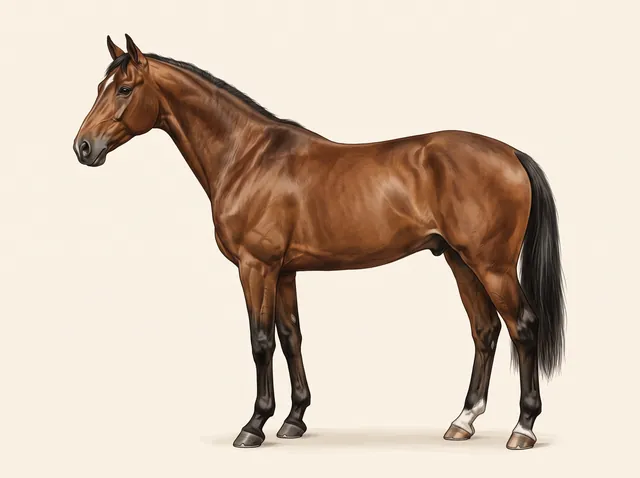
- Weight loss and muscle loss over the back and quarters.
- Dropping food, slow eating.
- Stiffness, especially in cold weather.
- A long, curly coat that sheds late or not at all.
- Losing rank in the herd.
Not just age
Dental wear, arthritis and hormonal disease of the pituitary gland are common in older horses and can be managed. A horse with a long coat that does not shed, increased drinking or repeated laminitis should be tested by your vet.
Feeding the veteran
- Soaked fibre feeds or chopped forage if teeth are worn.
- Several small meals, and enough time to eat away from bullies.
- Regular fat scoring and weigh tape readings.
- Fresh water, slightly warmed in cold weather if it helps.
Comfort and company
- Gentle, regular exercise or turnout to keep joints moving.
- A well-fitted rug in cold or wet weather.
- Shelter, and a deep bed if stabled.
- A calm companion; an older horse may struggle in a lively herd.
The health routine
- Every 6 monthsVet check and dental check.
- Every 2 to 4 weeksFat score and weigh tape reading.
- Every dayCheck eating, droppings, mobility and comfort.
Quality of life and planning the end
Keep a record of good and bad days, appetite and mobility, and discuss quality of life with your vet. Planning in advance how and where euthanasia would happen, and what happens afterwards, makes a painful moment calmer. The passport must be returned to its issuing organisation within 30 days of death. Blue Cross offers guidance and a free pet bereavement support service.
Detailed guides
Weight and good days, tracked together
Log weigh tape readings, fat scores and notes on appetite and comfort in MyArk: the curve shows the trend, shared with the yard and your vet.
- Weight and fat score curves
- Notes on appetite and mobility
- Dental and vet check reminders
- Shared with everyone caring for your horse
Common questions
At what age is a horse a veteran?
Often from around 15 to 20 years, depending on the horse; many live into their thirties.
My old horse is losing weight: what should I check?
Teeth first, then worms, feed and health with your vet.
What does a long coat that does not shed mean?
It can be a sign of a hormonal disease common in older horses; ask your vet to test.
Should an older horse still be exercised?
Yes, gentle and regular exercise or turnout helps keep joints moving.
What happens to the passport when a horse dies?
It must be returned to the issuing organisation within 30 days.
Sources
Benchmarks checked on 12 November 2026 in the documents below, then rewritten in plain English. They do not replace an examination and advice from your vet, who adapts care to your horse and to where you live.
- MSD Veterinary Manual, Dental disorders of horses
- World Horse Welfare, Is your horse the right weight?
- MSD Veterinary Manual, Laminitis in horses
- British Horse Society, Horse passports
- Blue Cross, Preparing to say goodbye to your pet
- GOV.UK (Defra), Code of practice for the welfare of horses, ponies, donkeys and their hybrids