
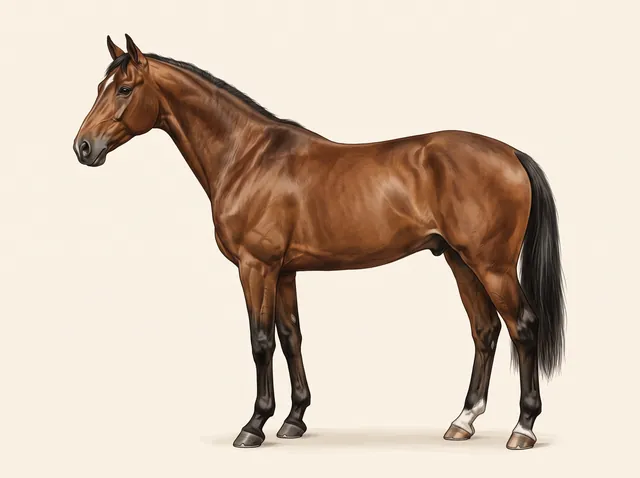
The daily check
- General attitude: alert, interested, moving freely.
- Eating and drinking normally, droppings as usual.
- No wounds, swellings, heat in the legs or lameness.
- Feet picked out, shoes secure.
- Rug fitted, not rubbing, suited to the weather.
- Water troughs clean and working; fencing intact.
A typical routine
- MorningCheck, water, forage, feed if needed, turnout or muck out.
- During the dayExercise, groom, check the field and water.
- EveningCheck, rugs, forage for the night, bring in if stabled.
- Every weekPoo-pick the field twice or more, check fencing, clean tack.
- Every 4 to 8 weeksFarrier.
Know your horse’s normal
The codes of practice expect everyone caring for a horse to recognise signs of ill health and to have basic first aid knowledge and a first aid kit. Take your horse’s temperature, pulse and breathing rate a few times when it is calm and healthy, so you know its normal values.
Sharing the jobs
Owners, sharers and yard staff often split the care. A shared record of who fed, turned out, rugged or noticed something avoids gaps and duplicate feeds.
Signs to report to your vet
- Not eating, fewer droppings, pawing or rolling.
- Lameness, heat or swelling.
- Nasal discharge, cough or fever.
- Weight loss or a dull coat.
- Reluctance to move, especially on hard ground.
Detailed guides
Yard duties, shared fairly
Morning feed, evening check, poo-picking, rugs: MyArk spreads the jobs between owner, sharer and helpers, and everyone sees what is done.
- Duties assigned by day and person
- Ticked off when done
- Notes on anything unusual
- Visible to everyone on the rota
Common questions
How often should I check my horse?
At least once a day, ideally twice, whether stabled or at grass.
How often should I pick out my horse’s feet?
Every day, and before and after riding.
How often should a field be poo-picked?
At least twice a week, to reduce worm burdens.
What is a normal temperature for a horse?
Learn your own horse’s normal values when it is healthy, and call your vet if they change.
How do we share care with a sharer?
Agree the days and tasks in writing, and record each one as done in a shared place.
Sources
Benchmarks checked on 12 November 2026 in the documents below, then rewritten in plain English. They do not replace an examination and advice from your vet, who adapts care to your horse and to where you live.