
Getting a horse: the checklist before they arrive
Buy or loan, pre-purchase vetting, passport and change of ownership, livery choice, companions and the first weeks: what to prepare before a horse arrives.
Read the guidewhat UK equine vets and horse welfare charities recommend
A horse is a herd animal built to graze for most of the day and to move a lot. Meeting those needs in a field, a stable or a livery yard takes daily care, a team around you and a plan for emergencies. This guide follows each stage, with Defra’s code of practice and the benchmarks of UK equine vets and horse welfare charities.
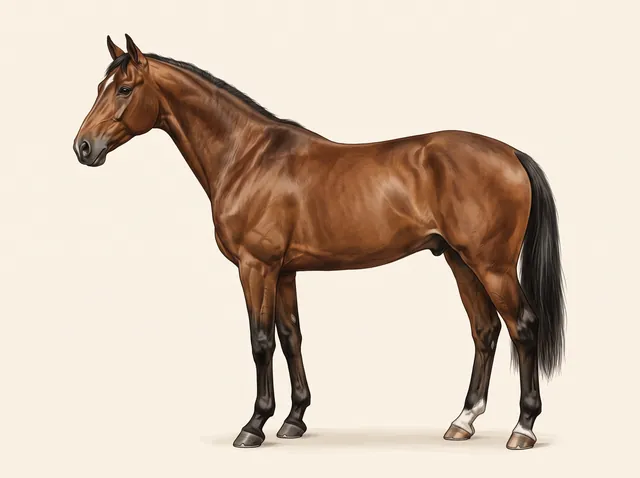
Under the Animal Welfare Act 2006, whoever owns or keeps a horse in England and Wales has a duty of care to meet five needs; Scotland and Northern Ireland have equivalent laws. Here is what they mean for a horse.
Buy or loan, pre-purchase vetting, passport and change of ownership, livery choice, companions and the first weeks: what to prepare before a horse arrives.
Read the guideTwice-daily checks, water, forage, feet, rugs, poo-picking and field safety: the daily and weekly routine of a horse, and how to share it on the yard.
Read the guideForage first, hard feed only if needed, water and salt, youngsters, veterans and poisonous plants such as ragwort: how to feed a horse at every age.
Read the guideSafe fencing heights, shelter, water, grazing management, stable ventilation, bedding and mud: how to set up a field and stable for a horse.
Read the guideA herd and flight animal, body language, calm handling, stereotypies such as crib-biting and weaving, and pain-related behaviour: understanding your horse.
Read the guideVaccinations, targeted worming, dental care, farrier, weight and a yearly health check: the prevention calendar for a horse, following UK equine vets.
Read the guideColic and the REACT signs, laminitis, choke, wounds near joints, eye injuries and a cast horse: horse emergencies, what to do and the emergency plan.
Read the guideTeeth and weight, hormonal disease, arthritis, rugs and companions, a vet check every 6 months, quality of life and planning the end for a veteran horse.
Read the guideFeeds, turnout, farrier, worm counts, vaccinations: MyArk keeps the routine and the dates for owners, sharers and the yard — free, with no account.