
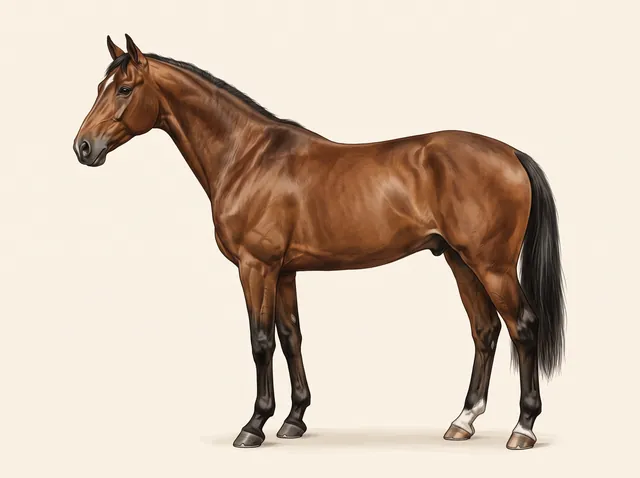
A herd and flight animal
Horses feel safe in a group and react fast to anything unexpected. Isolation, confinement and long periods without forage cause stress.
Reading your horse
- Relaxed
- Soft eye, lowered head, ears moving, a resting hind leg.
- Alert
- Head high, ears pricked, nostrils flared.
- Uncomfortable
- Ears back, tail swishing, tension around the mouth and eyes.
- Threatening
- Ears flat, head snaking, a raised hind leg.
Handling
Scotland’s code of practice states that horses respond best to calm, consistent and sympathetic handling by competent people, with a firm but gentle approach and rewards for correct responses. Use the same cues as everyone else who handles your horse.
Crib-biting, weaving and box-walking
These repetitive behaviours are linked to confinement, little forage and limited contact with other horses. More turnout, forage available for longer and the company of other horses help; preventing the behaviour by force does not address the cause.
When behaviour changes
- Under saddle
- Bucking, rearing, head tossing or refusing can signal pain from the back, teeth, feet or saddle fit.
- On the ground
- Biting at girthing or reluctance to be caught can have a pain cause too.
- Sudden change
- A quiet horse becoming dull or aggressive needs a vet check.
Detailed guides
Note what you notice
A horse that is girthy, reluctant to be caught or off its feed: in MyArk, everyone on the yard can note what they see, with the date, to show your vet.
- Observations dated and shared
- Feeds and turnout on the same timeline
- Notes from the farrier, dentist and saddler
- A history ready for the vet
Common questions
Can a horse be kept alone?
Horses are herd animals and need the company of other horses.
Why does my horse crib-bite?
It is linked to confinement, limited forage and isolation. More turnout, forage and company help.
My horse has started bucking: why?
Pain is a common cause: have the back, teeth, feet and saddle fit checked.
How should I handle a nervous horse?
Calmly and consistently, rewarding correct responses, as the codes of practice advise.
Who can help with a behaviour problem?
Your vet first, then a qualified trainer or equine behaviourist.
Sources
Benchmarks checked on 12 November 2026 in the documents below, then rewritten in plain English. They do not replace an examination and advice from your vet, who adapts care to your horse and to where you live.