
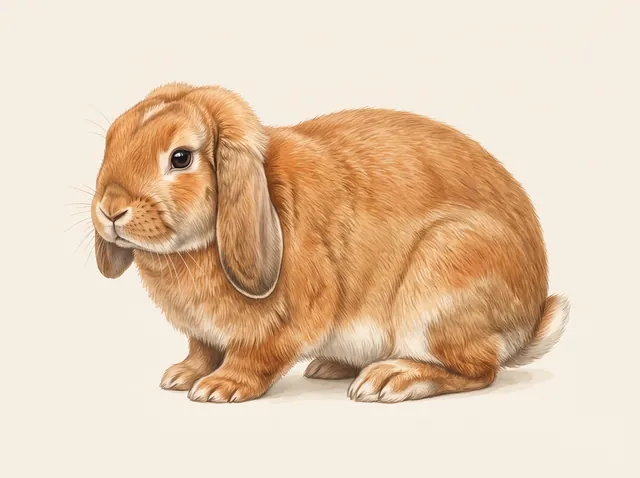
Signs of ageing to watch for
- Less running and jumping, hesitating before a step or a platform.
- Weight loss or muscle loss over the back and hips, or on the contrary weight gain.
- A dirty bottom or uneaten caecotrophs, because they can no longer turn round to groom.
- Sore patches under the back feet, longer nails.
- Cloudy eyes, a coat that is less well groomed.
- Eating more slowly, dropping food: possible dental pain.
Changes not to put down to age too quickly
According to the PDSA, arthritis, including spondylosis of the spine, is common in adult rabbits, and the risk of cancer increases with age. Dental disease, kidney problems and urinary problems are also more frequent. Many of these conditions can be treated or relieved: a rabbit who slows down is not necessarily “just old”.
Adapting their home
- A litter tray with a low entrance, so they don’t have to climb.
- Ramps instead of jumps, and low platforms only.
- Soft, non-slip flooring and thick, dry bedding to protect their feet.
- Hay, greens and water close to where they rest.
- Protection from cold and damp, and even more from heat: older rabbits regulate their temperature less well.
- Keep their companion: their presence matters, as long as the older rabbit can still reach food and rest in peace.
A closer health routine
- Every dayAppetite, droppings and a clean bottom; gently help with grooming if they can’t manage.
- Every weekA weigh-in noted down, nails and the underside of the feet.
- As your vet advisesA senior check-up, often more frequent than once a year, with teeth, joints and lumps checked.
- Every yearVaccinations, which remain just as important in old age, according to the PDSA.
Diet in old age
Hay stays the most important part of their diet. The PDSA suggests switching to pellets formulated for older rabbits as they age, while still offering fresh greens each day. If they lose weight, your vet may adjust the portion.
Quality of life and saying goodbye
Watch what matters to your rabbit: do they still eat on their own, move to their tray, groom, show curiosity and seek out their companion? Keep a few notes over time: they help you and your vet see a trend rather than a bad day. Prepare a plan with your vet for the day your rabbit stops eating or can no longer move normally.
When comfort can no longer be maintained, your vet may suggest putting your rabbit to sleep. It is a calm procedure, usually with a sedative first. You can ask to stay with them, and to let their companion spend a little time with them afterwards.
Losing a rabbit is a real bereavement. The Blue Cross Pet Bereavement Support Service offers free, confidential support by phone, email and webchat, every day of the year.
The companion left behind
The surviving rabbit may seem lost, eat less or call for their companion. Spend extra time with them, keep their routine and watch their appetite closely. Once they are ready, a rescue centre can help you find and bond a new neutered companion.
Detailed guides
See a slow change before it’s too late
In an older rabbit, the changes are gradual. Log each weigh-in in MyArk: the chart shows the trend to the whole household, and the shared care log keeps your notes on appetite and comfort, ready for the vet.
- A weight chart over months and years
- A weekly weigh-in reminder
- Pain relief reminders, ticked off by whoever gives it
- Notes on appetite and comfort in the shared log
Common questions
At what age is a rabbit considered old?
It depends on their size: larger breeds age sooner than dwarf breeds. Rather than an age, watch for the signs: less activity, weight changes, grooming difficulties and stiffness.
How can I help a rabbit with arthritis?
See your vet for pain relief, then adapt the home: a low-entry litter tray, ramps instead of jumps, soft non-slip flooring, food and water close by and help with grooming.
Why does my older rabbit have a dirty bottom?
Often because arthritis, weight or dental pain stop them turning round to clean themselves or eat their caecotrophs. It exposes them to flystrike: check and clean their bottom every day and see your vet.
How do I know when it’s time to say goodbye?
When your rabbit no longer eats on their own, can’t move or groom, and treatment no longer keeps them comfortable. Decide with your vet, based on their real comfort; the Blue Cross offers free support to owners.
Sources
Benchmarks checked on 8 November 2026 in the documents below, then rewritten in plain English. They do not replace an examination and advice from your vet, who adapts care to your rabbits and to where you live.