
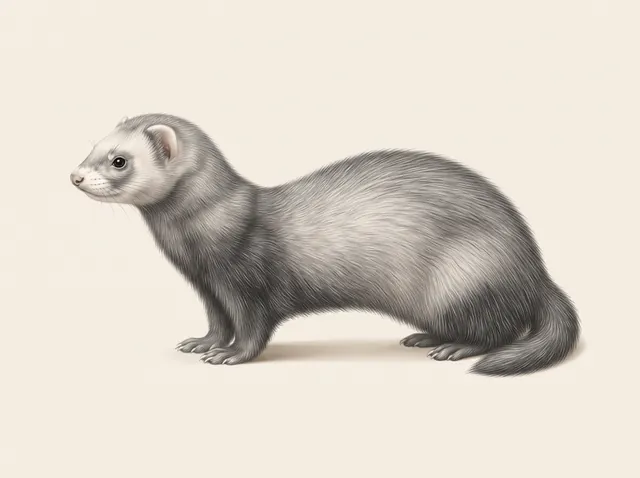
Nipping is not biting
According to the MSD Veterinary Manual, biting is part of a ferret’s natural behaviour: it bites to get attention or as part of play, and it may play with people as roughly as it plays with other ferrets. Between ferrets these nips don’t hurt, because their skin is thick and their fur protects them; on human skin, they can.
A play nip is light and comes with hops and chases. A real bite is harder and tends to happen when the ferret is frightened, in pain or startled. According to the American Ferret Association, a healthy, well-trained ferret should not bite.
Why ferrets bite
RSPCA Australia lists the most common situations:
- it is young, or teething;
- it isn’t used to being handled, which is common in youngsters that have had little contact with people;
- it is frightened, or has been hurt by accident: the PDSA warns it can then give a strong bite;
- your hand smells of food, especially at mealtimes;
- a female nursing her kits;
- licking that turns into a bite, during grooming or over-excited play.
A ferret woken suddenly may also bite by reflex, and deaf ferrets are more prone to this: speak to it or tap the floor before touching it. Stress from a change at home, or boredom from long hours in a cage, can also play a part.
Signs to watch for
According to RSPCA Australia, ferrets often bite without obvious warning. One signal is clear: if it hisses and backs away, it doesn’t want to play. Give it space and wait until it feels safe again.
Don’t confuse this with the “war dance”: when it hops sideways with its back arched and mouth open, without hissing, it is happy play.
Teaching your ferret not to bite
- Don’t let nips go
- As the Lafeber Vet care sheet points out, tolerating occasional nips can lead to painful bites. It is best to correct them early, while the ferret is young.
- A calm “no”, then a toy
- When it nips, say “no” in a firm but calm voice, always the same word, and give it a toy to bite instead of your hand.
- Play stops
- If it does it again, stop playing: RSPCA Australia suggests walking away for two to three minutes. It quickly learns that biting ends the game.
- Reward gentle play
- Praise it, stroke it or give it a small treat when it plays gently. According to RSPCA Australia, reward-based training and gradual habituation make handling much easier.
Consistency matters more than anything: everyone at home must react the same way, every time.
Good everyday habits
- Wash your hands before picking it up, especially after cooking or eating.
- Don’t play-fight with your hands or feet: RSPCA Australia advises against it, as it does against letting your ferret lick you, which can turn into a bite.
- Hold it properly, as the PDSA advises: one hand under the chest, the other supporting the hind legs, close to your body.
- Pick the right moment: it is happier to be held once it has burned off some energy. Young ferrets rarely enjoy cuddles; they settle with age.
What never to do
According to RSPCA Australia, a ferret should never be punished by yelling, hitting or throwing it away from you. No flicking its nose, no smacking, and never bite it back: punishment that hurts frightens it, and a frightened ferret bites more.
If it won’t let go, don’t pull your hand away: gently take hold of the scruff of its neck, as its mother would, and detach it calmly.
When biting is a sign of something else
A ferret that didn’t bite and suddenly starts should be examined. For the MSPCA-Angell veterinary hospital, a recent onset of aggression is one of the signs that should point to an illness.
It may be in pain. It may also be hormonal: according to the MSD Veterinary Manual, adrenal gland disease, which is common in ferrets, can make males aggressive; its most common sign is hair loss that starts at the tail. An entire ferret may also bite when in season, and neutering reduces aggression in males: a decision to make with your vet.
Children, and what to do if you are bitten
The MSD Veterinary Manual asks for special care in households with young children: ferrets bite and scratch as part of play, and to protect themselves if handled roughly. The PDSA suggests young children sit on the floor or a low seat with a treat in their lap, so the ferret comes to them. And, as the American Ferret Association points out, small children should never be left unsupervised with any animal.
If you are bitten, wash the wound thoroughly with soap and water, as RSPCA Australia advises. If the skin is broken, ask a doctor for advice.
Help the whole household react the same way
In the shared MyArk care log, everyone notes what happened: a nip during play, a startled wake-up, an evening without biting. If the biting changes, you know since when and in which situations, and can show your vet.
- A dated note for each episode, visible to the whole household
- Your ferret’s profile, with its neutering or implant
- A reminder for the vet appointment
- Weights on a chart, useful if a health problem is involved
Common questions
Why does my ferret bite me?
Most often to play or to get your attention: according to the MSD Veterinary Manual, it is natural behaviour. It may also bite if it is frightened, in pain, startled, not used to being handled, or if your hand smells of food.
How do I stop my ferret biting?
Calmly and consistently: a firm “no”, a toy instead of your hand, play that stops for two to three minutes if it carries on, and a reward when it plays gently. Everyone at home should react the same way.
Should I punish a ferret that bites?
Not with punishment that hurts. According to RSPCA Australia, you should never yell at, hit or throw a ferret; flicking its nose frightens it, and a frightened ferret bites more.
My ferret won’t let go when it bites: what should I do?
Don’t pull your hand away. Gently take hold of the scruff of its neck and detach it calmly, then stop playing for a few minutes.
My ferret has suddenly started biting: is it serious?
It should be examined. Pain, adrenal gland disease, which can make males aggressive, or a season in an entire ferret can explain the change.
Can a ferret live with young children?
With special care: it bites and scratches as part of play, and to protect itself if handled roughly. The child sits on the floor, and is never left alone with the ferret.
Sources
Benchmarks checked on 11 November 2026 in the documents below, then rewritten in plain English. They do not replace an examination and advice from your vet, who adapts care to your pet and to where you live.
- MSD Veterinary Manual, Special Considerations for Ferrets (2026)
- MSD Veterinary Manual, Hormonal Disorders of Ferrets (2024)
- RSPCA Australia, How should I handle my ferrets? (2024)
- PDSA, How to hold a ferret safely
- American Ferret Association, Frequently Asked Questions
- Lafeber Vet, Care of the Pet Ferret (2020)
- MSPCA-Angell (Dr Brendan Noonan, DVM), Adrenal disease in ferrets