
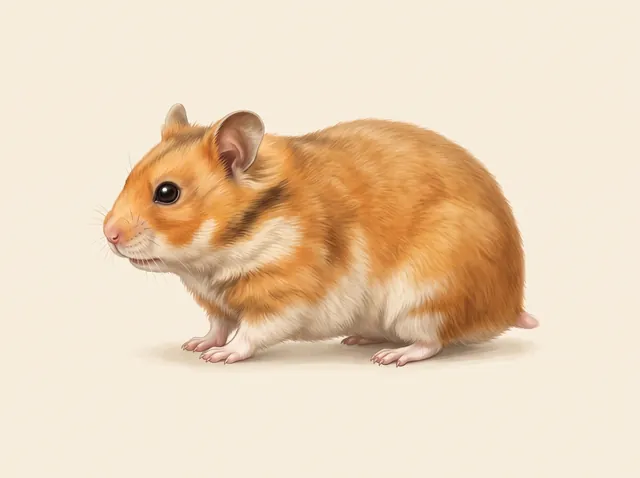
Before you commit
Because they are active at night and can nip when woken, hamsters suit older children and adults better than young children. An adult remains responsible for the hamster’s welfare.
- Where will the cage go, away from noise during the day and from bedrooms if the wheel is noisy?
- Who will clean and check the hamster every day?
- Is there a vet nearby who sees hamsters?
Which hamster?
- Syrian hamster
- The largest; strictly solitary as an adult.
- Dwarf hamsters
- Smaller and faster; they may tolerate a companion if raised together, but fighting is common, so many are best kept alone.
The rules in the UK
- Under the Animal Welfare Act 2006, whoever owns or looks after a hamster has a legal duty of care to meet its welfare needs.
- In England, businesses selling pets need a licence, and selling a pet to a child under 16 is an offence.
The shopping list
- Home
- As large as possible, with a solid base and deep bedding.
- Bedding
- Dust-free, deep enough to dig tunnels; plain paper nesting material, not fluffy fibres.
- Wheel
- Solid surface, large enough that the back stays straight.
- Hides and tunnels
- Several, plus things to gnaw.
- Food and water
- A hamster food, a heavy bowl and a water bottle.
The first days
- Put the hamster in its ready-made home and leave it to explore.
- Do not handle it for the first days; talk quietly near the cage in the evening.
- Then offer food from your hand, and pick it up only once it climbs on calmly.
Common mistakes
- Two Syrian hamsters in the same cage.
- A small cage with little bedding.
- Waking the hamster in the day to play.
- Exercise balls, which stress hamsters and can injure them.
Detailed guides
From the first day, one log for the whole household
In MyArk, whoever feeds or cleans the hamster logs it in one tap: the household sees it, with no account to create.
- Food and cleaning logged by person
- Weigh-ins on a chart
- Observations at night noted
- Your vet’s details to hand
Common questions
How long do hamsters live?
Around 2 to 3 years, according to the MSD Veterinary Manual.
Can two hamsters live together?
Syrian hamsters must live alone; dwarf hamsters often fight too, so many are best kept alone.
Is a hamster a good pet for a young child?
Often not: hamsters are active at night and can nip if woken. They suit older children better, with adult supervision.
Are hamster balls safe?
They are not recommended: hamsters cannot escape, see poorly and can overheat or be injured.
When can I pick up my new hamster?
After a few days, once it takes food from your hand calmly.
Sources
Benchmarks checked on 12 November 2026 in the documents below, then rewritten in plain English. They do not replace an examination and advice from your vet, who adapts care to your hamster and to where you live.