
Getting a hamster: the checklist before it arrives
Syrian or dwarf, alone or not, a big cage, deep bedding, a safe wheel and quiet days: what to prepare before a hamster comes home.
Read the guidewhat UK vets and animal welfare charities recommend
Hamsters are often bought as easy first pets, yet they are nocturnal, mostly solitary and need far more space than a small cage provides. This guide takes you through each stage of a hamster’s short life, with the benchmarks of UK vets and animal welfare charities.
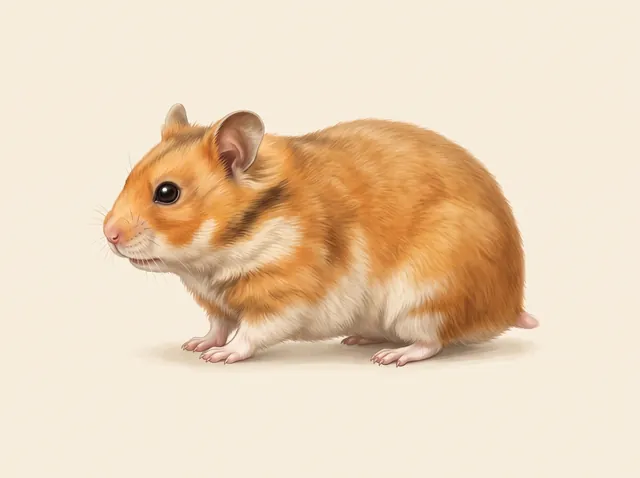
Under the Animal Welfare Act 2006, whoever looks after a hamster in England and Wales has a duty of care to meet five needs; Scotland and Northern Ireland have equivalent laws. Here is what they mean for a hamster.
Syrian or dwarf, alone or not, a big cage, deep bedding, a safe wheel and quiet days: what to prepare before a hamster comes home.
Read the guideFood, water, spot-cleaning, a quiet day and evening checks: the daily and weekly routine of a hamster, and how to share it at home.
Read the guideA hamster food, a little fresh vegetable, hay, fresh water and the foods to avoid: how to feed a hamster at every age, following UK vets and charities.
Read the guideA big home with a solid base, deep bedding to burrow, hides, a solid wheel, a quiet room and the right temperature: how to set up a hamster home.
Read the guideNocturnal habits, burrowing, hoarding, gnawing bars, biting and gentle handling: how to understand your hamster and spot stress or illness.
Read the guideTeeth, cheek pouches, wet tail, skin, lumps and weight: how to keep a hamster healthy, with the home checks and signs that need a vet.
Read the guideWet tail, falls, a cold and motionless hamster, breathing difficulty and injuries: the hamster emergencies that cannot wait, and what to do.
Read the guideSigns of ageing from around 18 months, softer food, an easier home, lumps and weight, quality of life and saying goodbye to a hamster.
Read the guideFood, fresh water, spot-cleans, weigh-ins: MyArk keeps the routine for everyone at home — free, with no account.