
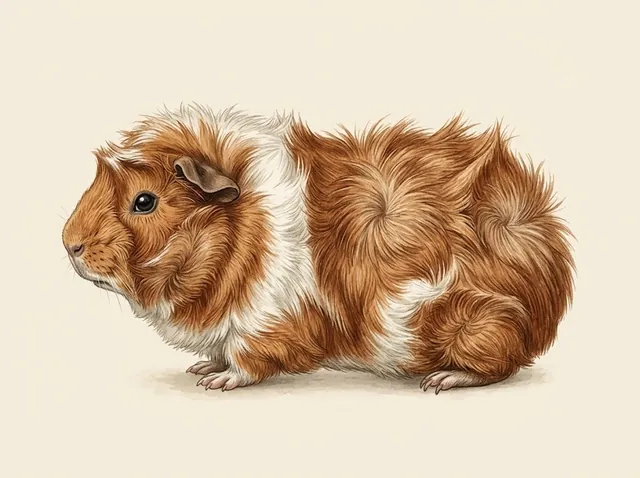
A social animal that shouldn’t be separated
According to the RSPCA, guinea pigs prefer the company of their own kind and can develop abnormal behaviour if left alone for long; the vets at the Royal Veterinary College stress that they should never live alone. While you’re away, the group stays together, in the same hutch or enclosure.
A guinea pig that lives alone for medical reasons needs interaction every day: ask whoever looks after them to spend time with them.
Which kind of care to choose
- A friend, relative or pet sitter at home
- The gentlest option: the RSPCA advises finding someone who will meet all their needs in their usual surroundings.
- A home boarder or small-animal boarding
- Visit before you book, as the PDSA advises, and check that your guinea pigs will stay together, away from dogs, cats and rabbits.
If they have to travel, keep the group together, with their hay, a hide and familiar items, and avoid the hottest part of the day: according to the MSD manual, travelling in very hot or very cold weather needs extra care.
Before you go
- Book early: good places fill up quickly in summer and at Christmas, according to the PDSA.
- Leave more hay, fresh pellets in sealed bags and bedding than they’ll need, without changing their diet: a sudden change can make them ill.
- Weigh each guinea pig before you leave and note their weight: your sitter can compare.
- Trim their nails, and have any guinea pig that worries you checked before you go.
- Have the sitter come round once while you’re there, to show them what to do.
The instructions to leave in writing
- Hay and water
- Unlimited hay, refreshed every day; the bottle checked, cleaned and filled every day.
- Vegetables and pellets
- Which vegetables, how much and when, the fresh portion of pellets each day, and what must never be given.
- Cleaning
- Remove droppings and wet bedding every day, and where to find spare bedding.
- Treatments
- Each medicine with the dose, time and how to give it, for the right guinea pig.
- Checks
- Every day, check that each one is eating, drinking and producing droppings; in warm weather, look at their bottoms twice a day.
- Who’s who
- A photo and the name of each guinea pig, so they don’t get mixed up.
- Contacts
- Your number, a trusted person, your vet and an out-of-hours vet who treats guinea pigs.
The PDSA advises leaving written instructions, going through them with your sitter, and giving them your vet’s details in case of emergency.
Heat and cold: the dangers to flag
Guinea pigs don’t sweat and overheat quickly. According to the MSD manual, they are comfortable at around 18 to 24 °C; Blue Cross warns that above 26 °C, heatstroke can be fatal. At the other end, the RSPCA advises bringing them indoors when it’s below 15 °C.
- Keep their enclosure in the shade, away from a sunny window or a radiator, and out of draughts.
- In hot weather: cool water, a cold tile or a frozen bottle wrapped in a cloth, and a fan that doesn’t blow directly on them.
- In warm weather, flies can lay eggs on a dirty bottom: remove soiled bedding every day.
In an emergency while you’re away
The pet sitter sheet, ready in one tap
MyArk builds the pet sitter sheet from what’s already in the app: routines, treatments and contacts. Invite your sitter into the household: they log every meal and weigh-in, and you can see all is well, even from far away.
- Each guinea pig’s meals and regular care
- Current treatments and upcoming reminders
- Your vet’s and emergency contact details
- The shared care log, which you can check wherever you are
Common questions
Can I leave my guinea pig alone for a weekend?
It’s better for someone to visit at least once a day: to refresh the hay, water and vegetables, and check that each one is eating and producing droppings. With guinea pigs, a problem can get worse within hours.
Can I split up my guinea pigs during the holidays?
Best avoided: they are social animals. The RSPCA advises keeping guinea pigs that live together, together, including at a boarder or while travelling.
Pet sitter or boarding for a guinea pig?
Staying at home is usually the least disruptive. Small-animal boarding can work if you’ve visited it and your guinea pigs stay together, away from dogs, cats and rabbits.
What should I leave for the person looking after my guinea pigs?
Enough hay, pellets and bedding, and in writing: the vegetables and amounts, any treatments, the daily checks, a photo of each one and your vet’s contact details.
What temperature do guinea pigs need?
They are comfortable at around 18 to 24 °C, according to the MSD Veterinary Manual. Above 26 °C, the risk of heatstroke becomes serious according to Blue Cross; below 15 °C, the RSPCA advises bringing them indoors.
How many times a day should my sitter visit?
At least once a day: the RSPCA asks that someone checks on them every day while you’re away. In warm weather, their bottoms should be checked twice a day for flies.
Sources
Benchmarks checked on 21 October 2026 in the documents below, then rewritten in plain English. They do not replace an examination and advice from your vet, who adapts care to your pet and to where you live.
- RSPCA, Guinea pig companionship
- RSPCA, How to take care of your guinea pigs — booklet (2023)
- Royal Veterinary College, Beaumont Sainsbury Animal Hospital (exotics service), Caring for your guinea pig
- PDSA, Going on holiday: finding care for your pets
- Blue Cross, How to keep guinea pigs cool in the summer
- MSD Veterinary Manual, Unique Needs of Guinea Pigs (2025)