
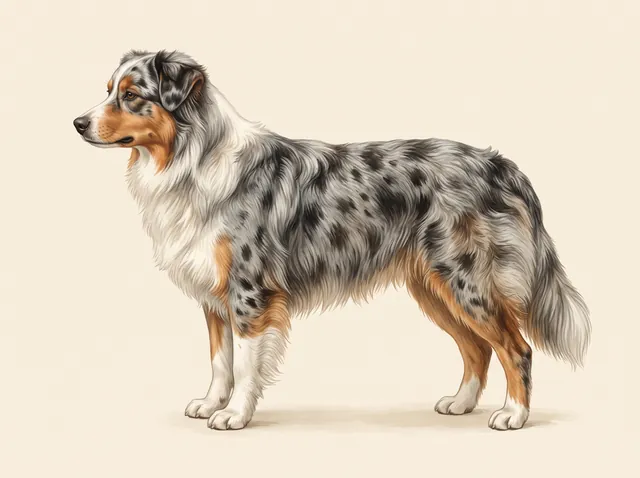
The foundation
- Complete food
- Labelled “complete”, it covers all your dog’s needs on its own; “complementary” foods do not.
- Life stage
- Puppy, adult and senior foods differ in energy and nutrients; large-breed puppy foods control growth.
- Fresh water
- Always available, changed daily, in a clean bowl.
- Treats
- A small part of the daily intake, taken from the ration.
The WSAVA global nutrition guidelines encourage owners to discuss diet at every vet visit, and to ask what qualifications a manufacturer’s nutritionists have.
Puppies
Puppies need several small meals: often 4 a day until about 3 months, 3 until about 6 months, then 2. Large and giant breeds grow for longer and need a puppy food designed for them, to avoid growing too fast.
Adult dogs
- MorningHalf the daily ration, ideally after the walk.
- EveningThe other half.
- Every monthWeigh-in and body condition check; adjust the ration if needed.
For large, deep-chested breeds, two meals rather than one, and calm around meal times, help lower the risk of bloat.
Older dogs
Older dogs often need fewer calories but good-quality protein, and some benefit from a senior food or a diet prescribed for a medical condition. Weight loss in an older dog should always be checked by your vet.
Finding the right amount
The PDSA reports that vet professionals estimate 46% of UK dogs are overweight or obese. Use the pack guidance as a starting point, weigh portions with kitchen scales, and adjust according to your dog’s body condition.
Foods to keep away from dogs
- Chocolate, especially dark chocolate and cocoa.
- Grapes, raisins, sultanas and currants, including in cakes.
- Onions, garlic, leeks and chives, raw or cooked.
- Xylitol, a sweetener found in some chewing gum, sweets and sugar-free products.
- Cooked bones, which can splinter, and fatty leftovers.
Detailed guides
No more double dinners
In MyArk, whoever feeds the dog ticks the meal: the household sees it in real time, and treats are noted too.
- Meals ticked off by whoever gives them
- Treats and special diets noted
- Weight curve alongside
- A history to share with your vet
Common questions
How many times a day should I feed my dog?
Usually twice a day for adults; 3 to 4 small meals for young puppies.
How much should my dog eat?
Start from the pack guidance, weigh portions and adjust to body condition with your vet.
Can dogs eat grapes?
No. Grapes, raisins and sultanas can cause kidney damage in dogs.
Is a vegetarian or raw diet suitable?
Discuss it with your vet first: home-made and raw diets are easy to get wrong, and raw food carries hygiene risks.
When should I switch to senior food?
It depends on the dog; your vet can advise, often from middle age onwards.
Sources
Benchmarks checked on 12 November 2026 in the documents below, then rewritten in plain English. They do not replace an examination and advice from your vet, who adapts care to your dog and to where you live.
- WSAVA, Global nutrition guidelines
- MSD Veterinary Manual, Feeding practices in small animals
- PDSA, A guide to senior pet food and feeding your ageing pet (2024)
- MSD Veterinary Manual, Chocolate toxicosis in animals
- Cornell Riney Canine Health Center, Gastric dilatation-volvulus (bloat)
- NOAH Compendium, Veterinary Poisons Information Service and Animal PoisonLine