
The body condition score, from 1 to 9
The WSAVA chart describes nine levels, from emaciated to severely obese. It works for every breed and size, which a weight chart cannot do.
- 1 to 3: too thin
- Ribs, spine and hip bones easy to see, no fat felt.
- 4 to 5: ideal
- Ribs easy to feel without pressing, a visible waist from above, a tucked-up belly from the side.
- 6 to 9: overweight to obese
- Ribs hard to feel under fat, no waist, a rounded belly, fat over the back and tail base.
Checking your dog’s condition at home
- Ribs: run your flat hands along the chest; you should feel them like the back of your hand.
- Waist: look down from above; there should be a narrowing behind the ribs.
- Profile: from the side, the belly should rise towards the hind legs.
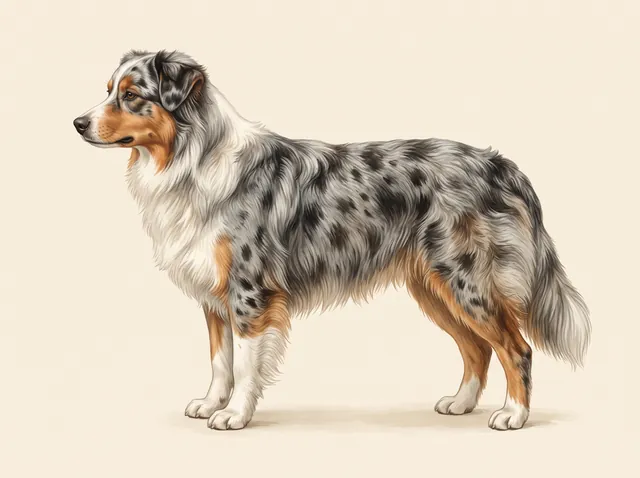
- Long or thick coats hide a lot: use your hands, not just your eyes.
Weighing your dog and following the trend
Small dogs can be weighed by stepping on bathroom scales with and without them in your arms; larger dogs on the scales at your vet practice, often free to use. Weighing once a month, at the same time of day, shows a trend long before it shows in the mirror.
Why weight matters so much
Extra weight strains joints, worsens arthritis and breathing problems, and is linked with diabetes and other diseases. In a lifelong study of Labrador Retrievers, dogs fed 25% less than their littermates stayed leaner and lived about 1.8 years longer on average, with later onset of arthritis.
If your dog is overweight
- Ask your vet to set a target and a plan, especially for a very overweight dog.
- Weigh food with kitchen scales rather than using a scoop.
- Count treats and table scraps: they add up fast. Use part of the daily ration as rewards.
- Make sure everyone in the household follows the same rules.
- Increase activity gradually, in line with your dog’s age and joints.
When to ask your vet
Unexplained weight loss or gain, a dog that drinks a lot more, or a swollen belly are reasons to see your vet rather than adjusting food on your own.
Follow your dog’s weight over time
Log each weigh-in in MyArk and see the curve: everyone in the household can see the trend and the target agreed with your vet.
- A weight curve for each pet
- The target set with your vet
- A monthly weigh-in reminder
- Weights kept in the health record for vet visits
Common questions
How do I know if my dog is overweight?
If you cannot easily feel the ribs, see no waist from above, or the belly hangs low, your dog is probably overweight. Your vet can score body condition.
What is the ideal weight for my dog?
It depends on the individual, not just the breed. A body condition score of 4 or 5 out of 9 is the target; your vet can tell you the matching weight.
How fast should a dog lose weight?
Slowly and steadily, on a plan agreed with your vet. Crash diets are not safe.
My dog put on weight after neutering: is that normal?
Neutering lowers energy needs, so the ration often needs reducing. Weigh your dog and ask your vet.
How often should I weigh my dog?
Once a month is a good rhythm for an adult; more often for a growing puppy or a dog on a diet.
Do treats count?
Yes. Treats, chews and scraps are often what tips the balance. Take them out of the daily ration.
Sources
Benchmarks checked on 12 November 2026 in the documents below, then rewritten in plain English. They do not replace an examination and advice from your vet, who adapts care to your pet and to where you live.